Carpet cleaning near Dalston Kingsland station: a practical local guide
If you live, work, or run a business around Dalston Kingsland station, carpet cleaning quickly becomes one of those jobs you keep meaning to sort out. Then one day you notice the traffic marks by the entrance, the coffee spill that never quite vanished, or that slightly stale smell after a wet week. Carpet cleaning near Dalston Kingsland station is not just about making floors look nicer; it is about keeping a busy space healthier, fresher, and a lot easier to live with.
This guide walks you through what professional carpet cleaning involves, why it matters in a lively London location, how to choose the right method, and what to expect before, during, and after a clean. If you want a broader overview of the core service first, take a look at the main carpet cleaning service page. For price planning, the pricing and quotes information is also useful.
Table of Contents
- Why Carpet cleaning near Dalston Kingsland station Matters
- How Carpet cleaning near Dalston Kingsland station Works
- Key Benefits and Practical Advantages
- Who This Is For and When It Makes Sense
- Step-by-Step Guidance
- Expert Tips for Better Results
- Common Mistakes to Avoid
- Tools, Resources and Recommendations
- Law, Compliance, Standards, or Best Practice
- Options, Methods, or Comparison Table
- Case Study or Real-World Example
- Practical Checklist
- Conclusion
- Frequently Asked Questions
Why Carpet cleaning near Dalston Kingsland station Matters
Dalston Kingsland station sits in one of those parts of London where life moves quickly. People come and go all day, boots track in grit, landlords juggle turnovers, and local shops see a constant flow of customers. Carpets in that sort of environment take more punishment than most people realise. Even a tidy flat can collect dust, pollen, pet hair, food crumbs, and the kind of fine dirt that sinks deep into the pile and stays there.
That matters for three simple reasons. First, appearance. A carpet can look dull long before it looks truly dirty. Second, comfort. Clean fibres feel softer underfoot and make a room feel looked after. Third, hygiene. Dirt, moisture, and spills left too long can build odours and make stains harder to remove. To be fair, carpets are a bit unfairly blamed for everything, but they do quietly hold onto more than the eye can see.
In a local setting, there is also a practical side. Homes near busy transport links often deal with higher foot traffic, and businesses near stations tend to notice faster wear at entrances, reception points, and corridors. That is where regular maintenance pays off. It slows down damage, protects the carpet investment, and keeps the space feeling welcoming instead of tired.
Expert takeaway: If a carpet is starting to look flat, smell faintly musty, or show repeat marks in the same spots, cleaning sooner is usually better than waiting. Waiting tends to make the job harder, not cheaper.
How Carpet cleaning near Dalston Kingsland station Works
Professional carpet cleaning is not just "wash and dry". A proper visit usually starts with a check of the fibre type, the condition of the carpet, and the kind of soiling involved. Wool behaves differently from synthetic fibres. A light refresh is different from pet contamination or deep spill damage. The cleaner should look at all of that before deciding on the safest method.
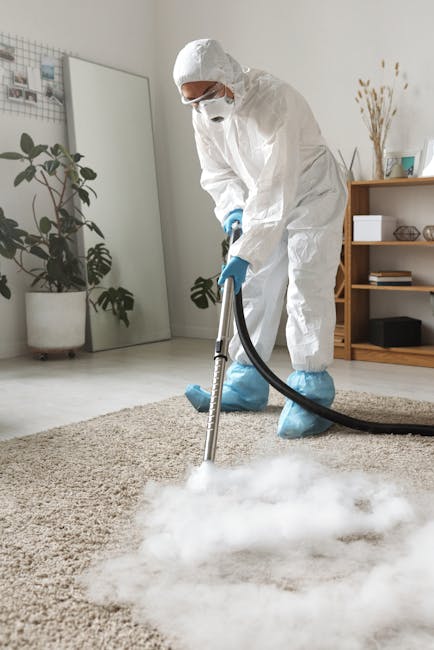
Most jobs follow a familiar pattern: vacuuming, spot treatment, cleaning, extraction or agitation, then drying. The exact process depends on the carpet and the method used. Steam carpet cleaning, for example, uses hot water extraction in many cases, which can be very effective on embedded dirt. You can read more on the dedicated steam carpet cleaning page if that method is of interest.
The main point is control. A good cleaner does not drown the carpet and hope for the best. They use enough solution to break down soil, then remove as much moisture as possible. That is what helps with drying time and reduces the risk of sticky residue, which can make carpets re-soil faster. Bit of a hidden trap, that one.
In real life, a local clean might also involve moving light furniture, protecting edges, and treating high-traffic lanes where grey marks usually show first. In a station-area property, those lanes often appear right by the front door, around a hallway bend, or at the top of the stairs. You can almost predict them once you have seen a few.
Key Benefits and Practical Advantages
The benefits of carpet cleaning go beyond the obvious before-and-after effect. A proper clean can make a room feel brighter, reduce lingering smells, and help restore the texture of the pile. If you have ever walked into a freshly cleaned room and thought, "Right, that feels better," you already know the effect.
- Improved appearance: Stains fade, traffic lanes lift, and colours usually look more balanced.
- Better indoor freshness: Dust and old spill odours are reduced rather than masked.
- Longer carpet life: Grit acts like sandpaper over time, so removing it protects fibres.
- More comfortable rooms: Clean carpet tends to feel softer and less flat.
- Better first impression: Useful for rentals, shops, offices, and anyone expecting visitors.
There is also a maintenance benefit that people often miss. When carpets are cleaned regularly, future cleaning tends to be easier. That means spots come out more readily and less aggressive treatment is needed. It is a bit like keeping on top of washing up versus facing a mountain of burnt pans later.
For households with pets, children, or allergy concerns, cleaning can also help reduce visible dust and settled debris. It is not a miracle cure, of course, but it can make a room feel noticeably fresher. For pet-related issues specifically, the pet stain and odour removal service may be relevant.
Who This Is For and When It Makes Sense
Carpet cleaning near Dalston Kingsland station makes sense for more people than you might think. It is not only for large houses or heavily damaged carpets. In fact, some of the best results happen when people act early, before stains settle deep or fibres begin to mat down permanently.
It is especially useful for:
- tenants preparing for checkout or move-in
- landlords refreshing a flat between occupants
- homeowners dealing with food, drink, or pet marks
- shops and offices that see constant foot traffic
- rented rooms or HMOs where wear builds up quickly
- families wanting a deeper seasonal clean after winter or before guests arrive
Timing matters too. A carpet that gets cleaned once every so often will usually respond better than one left for years. If you notice dull paths where people always walk, or a smell that seems to return after vacuuming, that is a good sign the carpet needs more than a surface tidy. You do not need to wait until it looks bad enough to bother everyone, which, let's face it, is often what happens.
Commercial spaces near the station have another consideration: presentation. A tired carpet in a reception area quietly weakens the whole impression of the business. For that setting, you may also want to review commercial carpet cleaning if the property sees regular public use.
Step-by-Step Guidance
If you are booking or planning a clean, it helps to know what the process usually looks like. That way, nothing feels mysterious on the day and you can prepare properly.
- Inspect the carpet. Check the fibre type, visible stains, wear areas, and any delicate edges or joins.
- Vacuum thoroughly. Dry soil should be removed first; otherwise, it can turn to slurry during wet cleaning.
- Pre-treat problem spots. Coffee, wine, greasy marks, and pet accidents often need targeted treatment.
- Choose the right method. Steam extraction, low-moisture cleaning, or specialist stain treatment may be used depending on the carpet.
- Clean systematically. Work from cleaner areas to dirtier ones so soil is lifted away rather than spread around.
- Remove excess moisture. Good extraction is crucial for drying and for avoiding residue.
- Allow proper drying. Airflow matters. Open windows where sensible and avoid heavy foot traffic until dry.
- Do a final check. Look at corners, edges, and recurring marks once the pile has settled.
If you are dealing with a single stubborn mark, it is sometimes smarter to focus on stain treatment rather than a full deep clean. That is where a service such as stain removal can be a better fit. One-size-fits-all cleaning, oddly enough, is rarely the best way.
A small practical note: move fragile items and clear obvious clutter before the cleaner arrives. You do not need to empty the entire room unless advised, but a little preparation makes the job smoother and quicker.
Expert Tips for Better Results
A few simple habits make a big difference. In our experience, the best carpet results usually come from good prep, sensible timing, and not overdoing DIY treatments before the cleaner arrives.
- Vacuum before the visit if you can. It helps remove loose grit and gives the cleaner a better starting point.
- Blot, don't rub. Rubbing pushes the spill deeper and can distort the fibres.
- Test treatments carefully. Some homemade mixtures can discolour or leave residues.
- Deal with spills quickly. Fresh marks are much easier to lift than old ones.
- Keep socks or indoor shoes in mind after cleaning. It helps the carpet stay clean a bit longer.
- Ask about drying time. A cleaner who explains this clearly is usually paying attention to the detail.
One thing people sometimes overlook is ventilation. If the room is stuffy, drying slows down and the carpet may feel slightly damp for longer than expected. A bit of airflow, even on a grey London morning, makes a real difference. Not glamorous, but true.
Another tip: if you have rugs, upholstery, or curtains in the same space, it can be efficient to address them together. Clean surroundings make the carpet stay fresh longer. You can look at rug cleaning, upholstery cleaning, or curtain cleaning if the whole room needs a reset.
Common Mistakes to Avoid
A surprising number of carpet problems come from well-meant mistakes. The carpet may survive, but it often looks worse afterwards or re-soils quickly. Here are the big ones.
- Using too much water. This can lead to long drying times, residue, or in bad cases, moisture issues.
- Scrubbing stains hard. This flattens the pile and spreads the mark.
- Cleaning only the visible stain. The surrounding area often needs treatment too, or the mark leaves a ring.
- Skipping vacuuming. Dry soil becomes muddy soil once wet cleaning starts.
- Choosing the wrong method for delicate fibres. Some carpets need gentler handling than others.
- Walking on the carpet too soon. It can flatten the pile and pick up fresh dirt.
There is also the temptation to hide smells with fragrance sprays. They may make the room smell sweeter for half an hour, but they do not remove the source. That is one of those habits that feels productive and sort of isn't.
If the carpet has a very specific issue, such as a pet accident or a recurring spill lane, ask for targeted treatment rather than just a general wash. For deep issue areas, the pet stain odour removal and stain removal pages are both worth reviewing.
Tools, Resources and Recommendations
You do not need a warehouse of equipment to keep a carpet in decent shape, but the right tools help. A quality vacuum cleaner, absorbent cloths, a soft brush, and a sensible spot-treatment approach cover most everyday needs. For deeper cleaning, professional equipment usually does the heavy lifting.
Useful things to ask about when comparing providers or planning a visit:
- the cleaning method recommended for your carpet type
- whether pre-treatment is included
- how long drying is likely to take
- whether furniture moving is included or limited
- how problem stains are handled
- what aftercare advice is given
It can also help to compare how different cleaning needs fit together. For example, a flat with carpets, a sofa, and a few curtains may benefit from a combined visit rather than separate appointments. You might look at sofa cleaning and mattress cleaning if you are aiming for a more complete refresh.
For anyone arranging the job in a rental or managed property, keep the paperwork side tidy too. A clear quote, clear expectations, and a clear record of what has been cleaned reduce misunderstandings later. Simple, but it saves hassle.
Law, Compliance, Standards, or Best Practice
For most household carpet cleaning jobs, the main compliance concerns are straightforward: safe working practices, sensible handling of cleaning products, and clear communication about what will and will not be done. In a commercial setting, the expectations are broader because of staff, visitors, and public access.
Good providers usually follow normal UK best practice by considering safety data for products, preventing slips from wet floors, and protecting items around the work area. If work is being carried out in a busy business or shared building, risk awareness matters. That includes cords, hoses, entryways, and drying times. Nobody wants a clean carpet and a wet-floor mishap at the same time.
You should also expect transparent terms, secure payment handling, and a clear complaints route if something goes wrong. Those are not flashy extras; they are basic trust signals. For more on those details, see the site's terms and conditions, payment and security, and complaints procedure.
If sustainability matters to you, recycling and product responsibility are also fair questions to raise. The recycling and sustainability page is relevant if you want to understand that side better.
Options, Methods, or Comparison Table
Different carpets and different problems call for different approaches. The best method is not always the wettest or the most dramatic one. Sometimes a lighter method is the smarter choice, especially for delicate fibres or rooms that need to be back in use quickly.
| Method | Best for | Pros | Watch outs |
|---|---|---|---|
| Hot water extraction / steam cleaning | Deep dirt, busy areas, general restorative cleaning | Strong soil removal, good for traffic lanes, widely used | Needs proper drying and careful moisture control |
| Spot or stain treatment | Specific marks, spills, isolated problem areas | Targeted, efficient, can avoid unnecessary full cleaning | May not solve surrounding dullness or odour |
| Low-moisture cleaning | Quick turnaround, lighter refresh, some commercial settings | Faster drying, less disruption | Not always enough for deep-set soil |
| Specialist fibre-safe treatment | Delicate carpets or problem materials | Lower risk of damage | May require more careful assessment first |
If your carpet is wool, patterned, antique, or unusually delicate, ask for a fibre-appropriate recommendation rather than assuming one method suits all. That little bit of judgement goes a long way.
Case Study or Real-World Example
Here is a simple real-world scenario. A small flat near Dalston Kingsland station had a front hallway that always looked slightly grey, no matter how often it was hoovered. There was also a faint smell after wet weather, probably from shoes bringing in street moisture and dirt. Nothing dramatic, just enough to make the place feel a bit tired.
The sensible approach was not to attack the whole carpet with heavy cleaning straight away. Instead, the cleaner focused on the doorway, hallway bend, and the worn path leading into the living room. The stain history was checked first, then the carpet was pre-treated and cleaned methodically. The resident had already moved a few items, which made the process quicker. Drying was allowed properly, with windows opened where practical.
The result was not "brand new showroom carpet" magic. That would be fiction. But the hallway looked brighter, the odour eased off, and the flat felt properly cared for again. That is usually the real win. Not perfection. Just a space that feels good to walk into.
For similar jobs, people often combine a carpet clean with sofa cleaning or rug cleaning so the room resets as a whole, not in fragments.
Practical Checklist
Use this quick checklist before booking or starting any carpet clean near Dalston Kingsland station:
- Identify the main problem: dust, traffic marks, spill, smell, pet issue, or general dullness.
- Check the carpet fibre if you know it.
- Clear small items and fragile belongings from the room.
- Vacuum thoroughly if possible.
- Point out the worst spots before work begins.
- Ask which method is best for the carpet type.
- Confirm drying time and aftercare advice.
- Keep pets and foot traffic away until the carpet is dry.
- Review the result once the pile has settled.
- Make a note of any stains that may need future attention.
Quick summary: A good clean is part preparation, part method, and part restraint. The right amount of cleaning, done at the right time, usually beats aggressive treatment every time.
Get a free quote today and see how much you can save.
Conclusion
Carpet cleaning near Dalston Kingsland station is really about keeping busy spaces honest. Carpets work hard. They collect the dirt you do not always see, absorb everyday smells, and take the brunt of foot traffic from the street, the hallway, or the shop floor. Give them the right care and they repay you with a cleaner, calmer-looking room.
The smartest approach is usually the practical one: identify the problem, choose the right method, avoid heavy-handed DIY fixes, and let the carpet dry properly afterwards. Whether you are dealing with a single stubborn stain, a whole flat refresh, or a commercial space that needs to stay presentable, there is a sensible path through it.
If you are ready to move from "I should really sort that" to actually sorting it, you are already halfway there. And honestly, that first cleaner, fresher room has a way of lifting the mood more than people expect.
Frequently Asked Questions
How often should I get carpets cleaned near Dalston Kingsland station?
It depends on foot traffic, pets, children, and whether the space is residential or commercial. Busy homes and shopfronts usually need more regular attention than low-use rooms. If the carpet is looking dull or holding on to smells, that is usually a better signal than the calendar.
Is steam carpet cleaning safe for all carpets?
Not always. It is effective for many synthetic carpets and general deep cleans, but delicate fibres may need a gentler approach. A proper assessment matters before choosing the method.
How long does a carpet take to dry after cleaning?
Drying time varies with the cleaning method, ventilation, fibre type, and room temperature. Good extraction and airflow help a lot. In a typical home, people often notice the carpet is usable much sooner than they expect, but it should not feel rushed.
Can you remove old stains completely?
Sometimes yes, sometimes partly, and sometimes not fully. Older stains can bond with the fibres or dye the pile. A cleaner can usually give a realistic view before starting, which is better than promising the moon.
What should I do before the cleaner arrives?
Vacuum if you can, move small items, and point out the worst marks. If there are pets, keep them in another room. A bit of prep makes the appointment smoother and often improves the result.
Will carpet cleaning help with odours?
Yes, especially if the smell comes from trapped dirt, food spills, or pet accidents. Strong odours may need specialist treatment, though, not just a general clean.
Is it worth cleaning carpets in a rental flat before moving out?
Usually, yes. It can help the property present well and may reduce disputes about cleanliness later. It is one of those jobs that tends to pay off in peace of mind.
Can I clean my carpet myself instead of hiring someone?
You can handle light maintenance yourself, but deep cleaning and stubborn stains are trickier. DIY machines can be useful, yet they can also leave too much moisture behind if used poorly. Sometimes they do the job, sometimes they just make the carpet sulk for a while.
Do commercial carpets need different cleaning from home carpets?
Often, yes. Commercial carpets usually face heavier traffic, more soil, and tighter turnaround expectations. That means method choice, drying time, and scheduling all become more important.
What is the main mistake people make with carpet cleaning?
Usually over-wetting the carpet or scrubbing stains too hard. Both can make the issue worse. Gentle, targeted treatment is usually the smarter route.
How do I choose the right carpet cleaning service?
Look for clear explanations, a sensible method recommendation, realistic drying guidance, and transparent pricing. A provider who asks good questions before quoting is generally doing the right kind of thinking.
What if my carpet also needs upholstery or rug cleaning?
That is common, especially in living rooms and shared spaces. It can make sense to deal with the whole room together rather than piecemeal. If that applies, the dedicated pages for upholstery cleaning and rug cleaning are useful starting points.